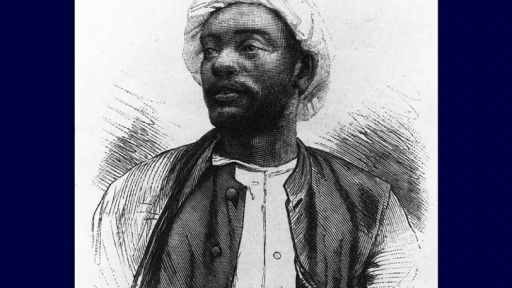
The last independent ruler, or kabaka, of the Buganda kingdom—now part of Uganda—was King Mwanga II, who has been a central figure in a propaganda battle since his reign began in 1884. Known for his relationships with both male and female lovers, critics have labeled him a deranged, murderous deviant, while supporters portray him as an early anti-colonial fighter. Modern LGBTQ+ activists have also pointed to him as evidence that queerness is part of Africa's historical narrative. Mwanga ascended to the throne at just 18, succeeding his father, Muteesa I. Reports suggest he had 16 wives and numerous male lovers, permitting homosexual relationships among his court. His lovers, regardless of gender, were referred to as bakopi, meaning "wives," while he was called their nnanynimu or omufumbo, translating to "husband," as noted by Rahul Rao in the Journal of Eastern African Studies. Muteesa believed that forming an alliance with the British and welcoming missionaries would protect Buganda from colonial encroachment, trading influence for military support. He converted to Islam to strengthen ties with Swahili and Arab traders while allowing Protestant and Catholic missionaries into Buganda, reasoning that their rivalry would keep them preoccupied and unable to challenge his authority. However, Mwanga was skeptical of his father's strategy. As Destiny Rogers pointed out in QNews, he recognized that permitting missionaries into an African kingdom often led to increasing European influence, ultimately resulting in a loss of autonomy. Early in his reign, Mwanga began executing missionaries, killing 45 Christians between 1885 and 1887, many of whom were pages in his court who had…
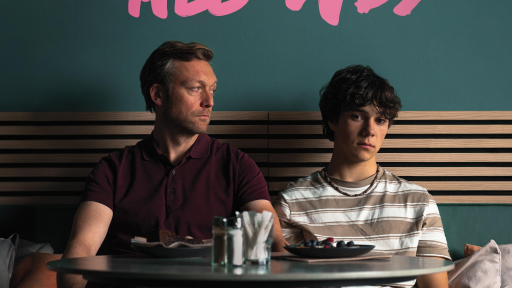
Oh man! This film is definitely not an easy watch. Tackling the subject of paedophilia is challenging, especially when the narrative is centered around the perspective of the paedophile, regardless of how sensitively it’s approached. As a society, we’re just not ready to confront such topics, particularly when it involves a 15-year-old grappling with the realization that he might be a paedophile. This film will linger with you for a long time. We meet Gabo, a 15-year-old who appears to be a typical teenager—going to school, hanging out with friends, and playing video games. However, it quickly becomes clear that he’s developing troubling tendencies. He forms an online friendship with a man in his forties named Dave, and it doesn’t take long for us to understand the dynamics at play. Dave has a preference for young boys and develops a crush on Gabo. Shockingly, Gabo finds himself in love with his best friend’s 8-year-old brother, Sam, and he’s aware that this is problematic. Instead of seeking help, Gabo turns to Dave for support, unaware that Dave’s intentions are to seduce him. The plot thickens when Dave is arrested on suspicion of statutory rape, leaving Gabo in a moral quandary about whether to testify against him while grappling with his own troubling secret. Initially, Gabo denies knowing Dave, but the evidence—like their online chats—tells a different story. When Sam’s picture is discovered on Dave's computer, Gabo finds himself without an explanation. The emotional turmoil that Gabo experiences in the following days is haunting, especially as he navigates interactions with the police,…
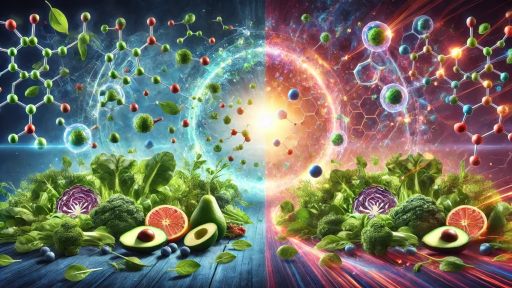
Science is making significant strides in cancer research, particularly through studies related to HIV/AIDS, which have historically received funding from U.S. grants. However, recent decisions by Trump to suspend this funding pose challenges. Despite this setback, promising discoveries continue to emerge weekly, including a recent breakthrough that suggests a precursor to vitamin K could serve as an effective and affordable treatment option. What is Vitamin K? Vitamin K is a vital nutrient essential for various biological functions. Most notably, it plays a crucial role in blood clotting, helping to prevent excessive bleeding by activating specific proteins involved in this process. Additionally, it supports bone health by facilitating calcium fixation, thereby lowering the risk of osteoporosis and fractures. Beyond these functions, vitamin K is also involved in cell regulation and may provide protective benefits against certain chronic diseases, including cancer. This nutrient is found in a variety of plant and animal foods and is primarily synthesized by intestinal bacteria, making it readily available to the body. However, some individuals may experience deficiencies, particularly those with digestive disorders that hinder absorption. What is the Difference Between Vitamin K and Its Precursor? The primary distinction between vitamin K and its precursor lies in their chemical structures and how they are activated in the body. Vitamin K is the biologically active form that the body uses directly, while its precursor is a molecule that must undergo transformation to become functional. Vitamin K precursors, such as menaquinone-4 (MK-4), are derived from the conversion of other forms of vitamin K or certain synthetic compounds. They require…

When a series consistently brings a smile to your face every time the protagonist beams or when you witness a couple's romance blossoming through heartfelt exchanges, you know it’s done something right. This 13-episode Taiwanese show, with each episode running about 25 minutes, is one such gem. It skillfully balances love with practicality, sprinkled with humorous moments that make you want to dive into the next episode immediately. Zi Xiang hails from a wealthy family and is in Taiwan from the US to finalize a real estate deal. Accompanied by his assistant Jonathan, Zi Xiang is reluctant about the family business and feels trapped in his circumstances. However, things take a turn when the deal comes with risks, leading to several attacks that force them to stay in a safe house. Jonathan grows frustrated with Zi Xiang's attitude and refuses to assist with personal matters. Enter Shao Peng, a deaf and mute individual aspiring to be a caretaker. Unfortunately, his disability makes it hard for him to find a job. Their paths cross first when Shao Peng saves Zi Xiang's life and later when he delivers food. Using a translation device, Shao Peng communicates with others and is also skilled in lip reading. After Zi Xiang sustains an injury, he offers Shao Peng a caretaker position. Initially hesitant due to Zi Xiang's demeanor, Shao Peng eventually agrees, especially after Zi promises to leverage his connections for long-term employment. As they begin to live together, the two boys gradually warm up to each other, learning more about one another. Zi Xiang…
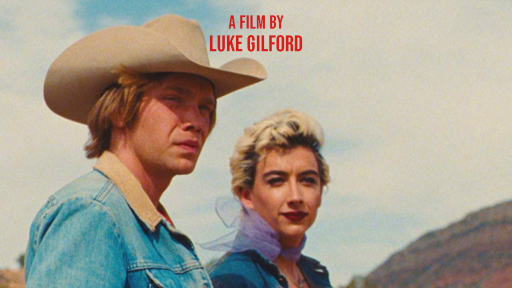
I have quite a few mixed feelings about this film. Set on a ranch in the American southwest, where a group of LGBTQ+ individuals ride horses, train bulls, and perform drag shows, the story lacks a significant plot. Instead, it focuses on the lead character's journey toward self-acceptance and a sexual awakening he hadn’t previously recognized. At just 21, Dylan carries burdens that far exceed his age. His mother spends her nights drinking and bringing home various men, leaving him responsible for his much younger brother, Cassidy. Dylan works as a day laborer, prepares meals, and engages in meaningful conversations with Cassidy. He’s tender and patient, yet yearns for freedom without knowing how to achieve it. During a two-week stint at a ranch called House of Splendor, he finds himself among a vibrant community of queer individuals—gays, lesbians, and trans folks—who not only work there but also radiate happiness. Dylan quickly develops a crush on Sky, a horse-riding trans woman who senses his interest and warmly encourages it. The welcoming atmosphere is new to him; he’s never encountered such kindness and respect among people with diverse sexualities. Another key figure is Carrie, a supportive friend who even invites Cassidy to a field day. However, Dylan’s closeness with Sky creates tension with her boyfriend, and his mother reacts poorly when he brings Cassidy home in a dress one night. While the drama remains understated, Dylan ultimately decides to pursue his long-held dream of buying an RV and traveling the country alone. Visually, the film is stunning and possesses a poetic quality,…
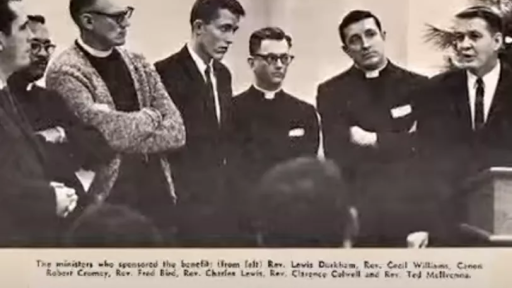
New Year’s is a time for celebration, but it also serves as a moment for significant transformation. On January 1, 1965, the queer community hosted a party that would profoundly alter perceptions of gays and lesbians worldwide. Interestingly, this event was supported by some unexpected allies: straight ministers. Jallen Rix’s 2013 documentary, Lewd and Lascivious: 1965: Drag Queens, Ministers and the SFPD, recounts how a group of cross-denominational heterosexual ministers moved to San Francisco to better understand how to serve the community. With declining church attendance among younger generations—much like today—the ministers ventured into the gay community to identify areas where they could offer support. They visited numerous gay bars to learn about the community's needs. The primary concern? Ongoing police harassment from the San Francisco PD. One bar, The Chuckkers, even put up a sign proclaiming it was “Famous for its unusual entertainment, now presents Police Harassment! Every Friday and Saturday!” Reverend Ted McIlvenna shared a harrowing account of police brutality with Rix. He recounted a night when he received a call about two gay men who had been brutally assaulted. When he suggested calling the police, they replied, “We can’t call the police because it’s the police that did the kicking.” After taking them to the hospital, they were turned away, with a doctor dismissively labeling them as “dirty, filthy queers.” McIlvenna, affiliated with Glide Memorial Methodist Church, collaborated with many in the queer community, including Phyllis Lyon and Del Martin, founders of the Daughters of Bilitis. Following a successful summit between clergy and queer leaders, a new…
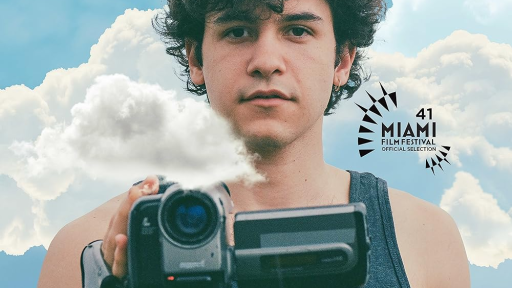
A tender yet imperfect coming-of-age tale from a first-time director, this film feels more like a love letter to Miami than anything else. Many young filmmakers today strive to capture the uncertainty, restlessness, and disorientation of modern youth through various themes. This film beautifully portrays the grounded reality of reconciling with the city that shaped you, broke you, and ultimately defined who you are, featuring a 23-year-old Latin protagonist who has just ended a relationship with his ex-boyfriend. It highlights the deep-seated need to cling to someone for love and support, even when one hasn’t yet figured out how to love themselves. Alex, a young man, returns to Miami with his family after breaking up with his boyfriend in New York. Although it's early days, he feels aimless, struggling to find a job or a sense of purpose in the city. Loneliness sets in as he complains about traffic, nearing rock bottom and grappling with depression. He discovers his father's old camcorder from childhood and begins filming random vignettes of Miami life. Eventually, he lands a job at an LGBTQ center. He also connects with Chris online; they hook up and share great chemistry. Alex believes he’s found love again, but Chris soon realizes that Alex is in turmoil and wishes to be a supportive friend during his lonely times. The second half of the film unfolds against the backdrop of an impending hurricane, serving as a subtle metaphor for the storm brewing within Alex—a whirlwind of confusion and emotions, upended by life’s unpredictability. In my opinion, the film attempts…

This Thai series, consisting of 8 episodes each lasting about 50 minutes, presents a straightforward love story that feels refreshingly simple and natural without any melodrama. One of my favorite moments comes towards the end when the characters express, "Only if we had talked to each other all those years ago." This line perfectly encapsulates my belief that communication is always key. We follow Dr. Jirawat (Ji) as he takes a break to attend his school reunion in Chiang Mai. Unexpectedly, he encounters Achi, the latest pop icon and teen heartthrob. It turns out they were best friends a decade ago, but Ji harbors some resentment towards Achi, despite feeling secretly happy to see him. Achi, determined to reconnect, makes several attempts to talk about their past and rekindle their friendship. Ji clearly has feelings for Achi but struggles with what’s holding him back. Through flashbacks in individual episodes, we learn about their close friendship and mutual affection during their youth. They even pretended to date girls, unsure of their feelings for each other. One night, after watching porn on TV, they share a passionate moment, but afterward, confusion leads them to decide that staying friends is best. Heartbroken, Achi moves to the U.S., and ten years later, we finally understand why they’ve been avoiding each other. Of course, the story concludes with a happy ending. There’s also a parallel subplot involving Ji's younger brother and his crush on a farm owner, who creates food vlogs, adding humor to the narrative. One aspect I appreciated was how, towards the end,…

I somehow overlooked the fact that Season 2 of this rockumentary-style show made its return in 2021, and I’ve just now gotten around to checking it out. I remember enjoying the brief 10-minute skits featuring doctors tackling STIs at a Melbourne sexual health clinic, effectively educating the public while keeping things light. It's quite a challenge to make such a serious topic both funny and informative. Season 2 picks up right where it left off, offering 6 episodes that run about 25 to 30 minutes each. This time, rather than zeroing in solely on STIs, the focus shifts to the characters themselves—their growth, insecurities, and personal lives—while still addressing their patients' sexual health and awareness. In short, sexual health doctors Langdon Marsh and Steph Huddleston are on a mission to prove their worth and save their clinic amid a sudden outbreak of STIs in Melbourne. “Metro Sexual” stands out as Australia’s first sitcom led by LGBTQ+ characters, blending humor and heart. When a new dating app leads to a surge in STIs across Victoria, Steph and Langdon decide to hire a medical student. However, when two students arrive by mistake, they must choose one to keep. They ultimately select Yasmin, who proves to be the more talented candidate. Meanwhile, biker Gary continues his attempts to win over the receptionist, whose indifferent demeanor, combined with Greg's shyness, results in some genuinely funny moments. In Episode 3, after a graphic billboard promoting the clinic gets vandalized, Langdon embarks on a mission to track down the graffiti artist. Simultaneously, Steph struggles with her…

Love in the Big City is a captivating Korean BL series that delves into the romantic escapades of a gay writer navigating the complexities of love. Spanning 8 episodes, each around 50 minutes long, the show follows our lead character—a single young man on a quest for romance. He encounters various men in bars, clubs, hobby groups, and hookup apps, each representing different walks of life. Some relationships are fleeting flings, while others evolve into profound emotional journeys. Throughout the highs and lows of his love life, the protagonist learns invaluable lessons about himself. Each pair of episodes highlights a distinct relationship, showcasing four unique love stories. We meet Go Young, a carefree young man who revels in clubbing with friends. Over time, he forms a close friendship with Mi Ae, a schoolmate known for her casual flings. Their bond grows strong, leading them to become roommates when Young moves out of his family home. During this time, he meets Nam Kyu, a shy photographer in his 30s, during a modeling gig, and they quickly become a couple. Although Nam Kyu is committed and exchanges rings with Young, their differing personalities—Young's extroverted nature versus Nam Kyu's more traditional tastes—create tension. Young's attention drifts, especially when he connects with another attractive guy at a club, ultimately leading to a messy breakup with Nam Kyu. Following this, Young dates an activist, but that relationship is short-lived as well. The most significant connection he forms is with a young nursing student from another city. Their relationship is tumultuous, filled with ups and downs,…

This Thai mini-series consists of just two episodes, each running about 65 minutes, yet it feels stretched thin with a plot that could easily fit into a short story. Released in 2024, the series suffers from cheesy, cliché dialogue that feels out of place, culminating in a drawn-out climax that shifts abruptly to a happy ending. The story revolves around Athit (or Manu), a resort owner who has been hurt in love and isolates himself from the world. He is currently renovating his resort when a booking error brings Pe, a lively visitor, to his doorstep. Pe, handsome and outgoing, insists on staying since he has already paid in full. As their contrasting personalities clash, they gradually warm up to each other. Pe, a budding novelist seeking inspiration, finds himself in a picturesque paradise, where his writing begins to mirror the budding romance between him and Athit. However, when Athit discovers that Pe is using their experiences as material for his story, he feels betrayed. Pe realizes his mistake and apologizes, leading to a swift turnaround where sparks fly, and Athit falls for him. This culminates in a love scene that promises a future together. Athit is portrayed as a genuinely good person, exuding devotion and sincerity, making it hard not to fall for him. Meanwhile, Pe evolves from a superficial character to one who learns to stand up for himself. However, despite these character developments, the plot remains stagnant. Much of the series drags on with repetitive banter, showcasing Pe’s attempts to capture Athit’s attention. The show is rife…
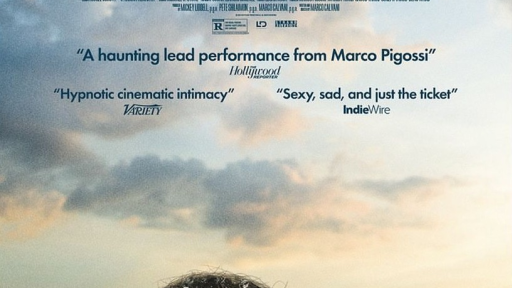
Set against the backdrop of Provincetown's beaches and streets, this film tells a poignant and heartwarming story about Lourenço, a young undocumented gay Brazilian counting down his last days in town before facing an uncertain future. It captures the melancholic essence of searching for love, grappling with loss, and confronting the unknown. Lourenço arrives in Provincetown on a tourist visa, having come to the U.S. with his then-lover, Joe, who has since vanished and fallen out of love. Despite Joe's absence, Lourenço continues to yearn for him, taking on house cleaning jobs to make ends meet. His landlord and neighbor, an older gay man, genuinely cares for him and looks out for him. While waiting for Joe, Lourenço meets Maurice, an attractive, soft-spoken Black nurse from Queens, who is in Provincetown for a brief stay before heading to a residency in Angola. Their connection deepens as they spend time together on the beach, drawn by a powerful physical attraction that is complicated by their individual anxieties. Their intimate scenes are steamy and beautifully shot, yet the question lingers: can they find a happy ending? As the story unfolds, Lourenço learns that Joe has moved on and is getting married, sending him into a spiral of partying on the last night before Maurice leaves. This imminent breakup feels like a missed opportunity for a potentially great relationship. The film doesn’t conclude on a joyful note; instead, it leaves us uncertain about Lourenço’s fate in the U.S. However, by the end, he finds the courage to tell his mother back home that…
