Sexual abuse within the Catholic Church has been a dark shadow haunting countless stories and screens worldwide, and “Le Silence des églises” plunges headfirst into this unsettling abyss. I’ve seen my share of films tackling this painful topic—some full-length dramas, others raw documentaries—but each time, a knot tightens in my throat. It’s that gut-wrenching mix of betrayal and helplessness that lingers long after the credits roll. Even though I’ve wrestled with whether to highlight such brutal realities on my blog, this film demanded that I do so.
The story spins around Gabriel, a man haunted by the ghosts of his childhood, stirred anew when he hears the echoing innocence of a Catholic school choir’s famous CD. Suddenly, memories flood back—the cold corridors, the seemingly kind smile of Father Vincey, and the sinister undercurrents beneath the sacred walls. Picture a young boy enraptured by praise and trust, only to be ensnared by the vampire-like manipulation of a priest who cloaks his cruelty in God’s name. What chills me most is how systematically the abuser works, cleverly wrapping twisted control with threats of divine wrath, shredding innocence while shrouded by religious devotion.
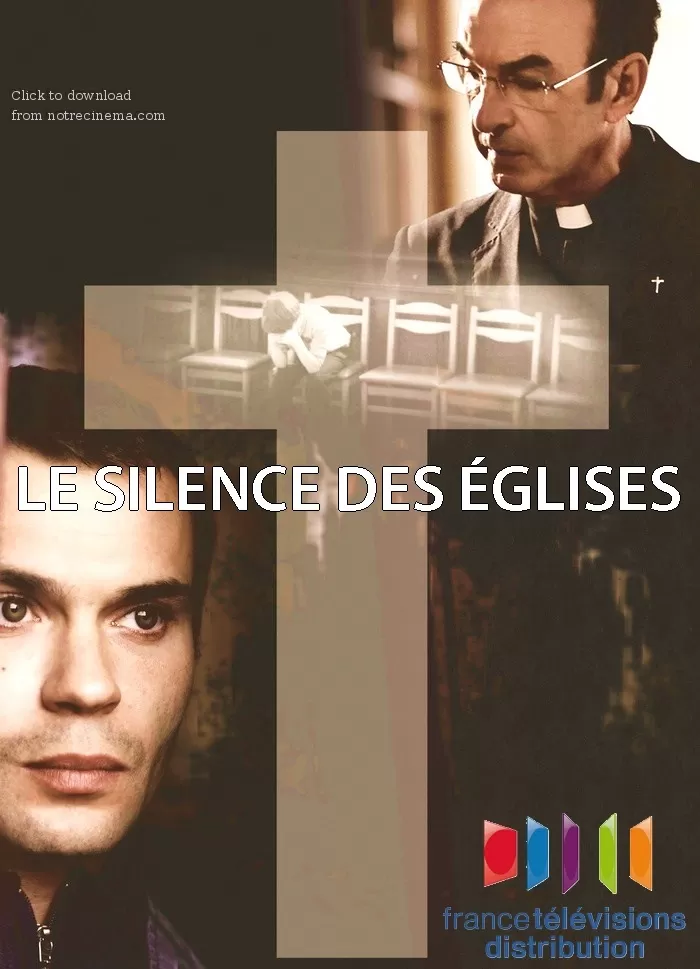
Even more heartbreaking is the blindfold worn by parents, oblivious or unwilling to see the nightmare unfurling beneath their feet. How many times have I heard whispers of such silence, how often has faith become the cruel barricade against truth? And then, fast-forward fifteen years—Gabriel, battle-weary and brimming with rage, arms himself with a gun, torn between vengeance and justice. When he finally confronts Vincey, the flood of memories hits like a tidal wave, raw and unforgiving. The church stands behind a cold wall of indifference, failing time and again to protect the innocent. Eventually, Gabriel’s courage pushes the case into a courtroom drama that, while lacking some flesh on its legal bones, delivers a hard-won sentence of fifteen years for the predator priest.
This film doesn’t flinch from showing every sordid detail—the shame, the degradation, the suffocating silence imposed by an institution that should have been sanctuary. Watching it, I felt a mix of anger and sorrow so profound it almost felt like the walls around me were closing in. Father Vincey is portrayed chillingly; the actor’s unsettling performance turns him into the embodiment of evil’s quiet smile. I have to tip my hat to that difficult role—making the monstrous human is no easy feat. Yet the pacing drags at times, and curiously, the courtroom’s final reckoning unfolds too quickly—I longed for a deeper dive into how the entire church hierarchy was held accountable. Why this rushed finish? The silence here is deafening.
Still, “Le Silence des églises” is an urgent, necessary film—a reminder, a warning, and a call to protect those we love from shadows lurking behind closed doors. If you ask me, films like this don’t just tell stories; they tug at the soul and demand we break the silence that has allowed such horrors to fester for far too long. It left me restless, thoughtful, and more determined than ever to listen and speak up. After all, how many more voices must be muffled before the world truly wakes up?


Comments
The focus on Gabriel's trauma triggered by the choir CD hit hard—it’s unsettling how Father Vincey weaponized faith to mask abuse. I thought the film’s blunt portrayal of systemic manipulation under religious cover reveals layers of complicity.
The portrayal of Father Vincey's manipulation hit hard, especially how he twisted faith into threats. It's those quiet moments, like Gabriel recalling the choir CD, that make the systemic abuse feel disturbingly real. Films like this unsettle but also remind why silence can’t stay unbroken.
The description of Gabriel's haunting memories—the cold corridors and Father Vincey’s manipulation masked as kindness—hit hard. It’s the subtle yet systematic abuse, like weaponizing divine wrath to control victims, that makes it so chilling. Films like this feel brutal but necessary to unpack how power warps faith.
The description of Father Vincey weaponizing divine wrath to manipulate victims made my skin crawl—it’s disturbingly precise how power masks predation. The choir CD detail haunts me, too; such ordinary objects becoming trauma triggers makes the systemic horror feel personal. Still, pushing through that discomfort might be why films like this matter.
The description of Gabriel's memories—especially how Father Vincey weaponized divine threats to control victims—struck me. It’s the systematic dismantling of trust through religious rhetoric that feels most unsettling. The film’s focus on those calculated manipulations makes the horror linger differently than other portrayals I’ve seen.
The portrayal of Father Vincey's manipulation hit hard—especially how the film shows him weaponizing divine wrath to control Gabriel. It's unsettling to see the systemic abuse framed through something as innocent as the choir CD, making the betrayal linger. Still thinking about those cold corridors and the way trust unravels.
The way the film portrays Gabriel’s unraveling memories, especially the manipulative use of divine threats by Father Vincey, is chilling. I’ve read similar accounts, but the systematic dismantling of trust here feels particularly visceral. I appreciate how you addressed the tension between exposing brutality and the need to confront these shadows.
The way Father Vincey’s manipulation is framed through divine threats felt disturbingly real. It highlights how abuse intertwines with twisted authority—films like this might finally crack the silence the title references, though it’s tough to stomach.
The chilling detail about abusers weaponizing divine wrath to control victims stuck with me. The film’s raw dissection of how cruelty hides behind sacred structures makes the systemic rot clear, yet I still find myself wrestling with how institutions enable it. It’s one of those stories that demands you sit in the discomfort afterward.
Gabriel's memories triggered by the choir CD hit hard. The systemic abuse framed by divine threats—how fear weaponizes faith—left me uneasy. It’s that tension between sacred spaces and hidden cruelty that lingers, like those cold corridors you described. Films like this force us to sit with discomfort, no easy takeaways.
The film’s exploration of Father Vincey’s methodical manipulation—using divine wrath to control victims—is particularly chilling. I appreciated how it connects Gabriel’s childhood memories with the choir CD, grounding the horror in something deceptively ordinary. It left me thinking about how innocence gets exploited under sacred facades.
The depiction of Gabriel’s memories being triggered by the choir CD was haunting. I think the film’s focus on Father Vincey’s manipulation through divine wrath lays bare how innocence gets weaponized within religious structures. It’s a tough but necessary angle to confront.
The portrayal of Gabriel's fractured memories hit close to home, especially how Father Vincey weaponizes faith to silence victims. The comparison to 'vampire-like manipulation' sticks—it's terrifying how predatory behavior hides behind spiritual authority. This film makes that hypocrisy uncomfortably tangible.
The detail about Father Vincey weaponizing divine threats to shred innocence stuck with me. It’s haunting how the film mirrors real patterns of control—I kept thinking about how systems enable predators to cloak cruelty in spiritual authority, which the choir scenes made viscerally clear.
The detail about the choir CD triggering Gabriel’s memories really stuck with me. It’s chilling how Father Vincey weaponizes faith to manipulate—using divine threats to trap victims in silence, as described. That blend of psychological control and institutional complicity makes the systemic abuse feel disturbingly tangible.
The chilling detail about Father Vincey using divine wrath as a manipulative tool really underscores how abuse becomes entangled with faith. It seems the film captures that lingering helplessness you described—how institutions warp sacred spaces into traps.
The portrayal of Father Vincey’s manipulation through divine threats was unsettling. It makes me wonder how many real-life cases mirror that systemic dismantling of trust, hidden under religious authority. The way Gabriel’s memories resurface via the choir CD still lingers in my mind.
The way the film portrays Father Vincey’s manipulation—cloaking cruelty in divine wrath—is painfully vivid. The cold corridors and the choir CD as triggers for Gabriel’s memories really highlight how innocence is weaponized. It’s a sobering reminder of how systemic these abuses are, masked by trust in religious structures.
The haunting contrast between Gabriel's childhood innocence and Father Vincey's manipulation really got to me. It's unsettling how the film shows abuse wrapped in divine language—that detail about threats of God's wrath makes the systemic cruelty sting deeper. Makes you sit with that sickening betrayal long after watching.
The metaphor of 'cleverly wrapping twisted control with threats of divine wrath' stuck with me—it captures the systemic rot so vividly. Your reflection on wrestling with sharing brutal realities resonates, though I think films like this need the light, even when it’s uncomfortable.
The portrayal of Gabriel's haunting memories, triggered by the choir CD, struck me most. I think the film's focus on how abuse is masked by divine threats, like Father Vincey's manipulation, adds a chilling layer of realism. It's unsettling how trust gets weaponized in systems meant to protect.
The portrayal of Father Vincey’s systematic manipulation through divine threats gutted me. It’s the psychological entrapment wrapped in reverence that feels most disturbingly real. The film forces you to sit with how institutions enable such rot—not sure I’ll forget Gabriel’s choir echoes anytime soon.
The analysis of Father Vincey’s manipulation—using divine wrath to isolate victims—felt disturbingly methodical. It’s unsettling how the film contrasts spiritual ideals with hidden cruelty, a dichotomy that makes betrayal sharper. I’m still processing how systems shield such abuses while claiming moral authority.
The way the film links Gabriel’s childhood trauma to the choir CD’s innocence is gutting. Father Vincey’s manipulation through divine threats feels disturbingly systemic—it’s that mix of power and twisted faith that lingered with me, too. A raw reminder of how institutions weaponize vulnerability.
The depiction of Father Vincey’s manipulation through threats of divine wrath felt disturbingly precise. Gabriel’s memories tied to the choir CD made the systemic cruelty more tangible—it’s that quiet weaving of innocence and trauma that lingered with me. The film’s refusal to soften the institutional complicity is what left me so uneasy afterward.
The film’s chilling portrayal of how Father Vincey weaponized faith to manipulate Gabriel really got under my skin. It’s that systematic shredding of trust, masked as divine will, that makes the horror feel so insidious. I think the choice to focus on the choir’s innocence sharpens the contrast with the abuse’s brutality.
The way Father Vincey weaponizes religious devotion to groom Gabriel really got under my skin. That detail about the choir CD triggering repressed memories—it makes the systemic silencing feel visceral. The film seems to capture how abuse gets tangled with sacred trust, which is horrifying yet necessary to confront.
The chilling parallel between Father Vincey's threats of divine wrath and the system enabling him shook me. It feels like the film digs into how trust gets weaponized, not just individual abuse. That choir CD motif – such a clever way to visualize innocence exploited.
The chilling portrayal of Father Vincey's manipulation through threats of divine wrath stuck with me. It’s how the film links twisted control to sacred authority that feels so disturbingly real—those cold corridors and Gabriel’s fragmented memories add to the unease. Still wrestling with how institutions enable such systemic harm.
The portrayal of Father Vincey's systematic manipulation chilled me—the way he weaponizes divine wrath to isolate victims feels disturbingly familiar from real cases. It makes you sit with Gabriel's suffocating helplessness, how innocence gets shredded under religious authority. Still, these stories need to claw their way into the light, no matter how uneasy it gets.
The portrayal of Father Vincey’s manipulation through divine threats chilled me—it mirrors systemic abuse patterns I’ve read about. Those cold corridor descriptions and the CD’s symbolism made the trauma feel hauntingly tangible. It’s brave to dissect how institutions weaponize faith to silence victims.
The description of manipulation through divine threats resonated painfully—it’s terrifying how predators weaponize faith. Gabriel’s fragmented memories, like the choir CD triggering trauma, capture how survivors compartmentalize. The film’s unflinching focus on systemic rot over individual villains feels important, though I’m still processing if that approach numbs or galvanizes.
The depiction of Father Vincey’s manipulation through divine threats was chilling. Gabriel’s story really underscores how trust is exploited in these abuses. It makes me think about how institutional silence shapes survivors’ voices.
The portrayal of Father Vincey’s manipulation through divine threats really stuck with me—it’s chilling how systemic abuse gets masked by faith. The description of Gabriel’s fragmented memories, like the choir CD triggering his trauma, made the horror feel personal. It’s hard not to dwell on how institutions enable such cycles of silence.
The way Gabriel's memories resurface through the choir CD hit me hard—it’s harrowing how the film shows the perversion of trust. Father Vincey’s blend of kindness and cruelty under religious guise feels uncomfortably real.
The portrayal of Gabriel's fractured memories—especially the 'vampire-like manipulation' under religious guise—felt uncomfortably vivid. I think the film confronts how abuse hides in plain sight through that chilling detail about threats of divine wrath. It’s the systemic rot beneath forced silences that lingers.
The way the film portrays Father Vincey’s manipulation through divine threats really shook me—it’s that quiet, systemic cruelty that lingers. Focusing on Gabriel’s fractured memories made the horror feel visceral, almost too familiar. I still wonder how institutions let predators weaponize faith so methodically.
The detail about Gabriel's memories triggered by the choir CD particularly struck me—it shows how trauma hides in mundane artifacts. The way Father Vincey weaponizes faith as a threat adds disturbing realism, though I wonder if the film explores survivors’ resilience alongside institutional betrayal. Still, capturing that 'sinister undercurrent' seems crucial.
The description of how Gabriel's innocence unravels under Father Vincey’s manipulation stayed with me. It’s chilling how the film frames abuse as a perversion of trust and scripture—that blend of divine threat and twisted control feels tragically real. A tough but necessary watch, I think.
The Catholic school choir CD as a trigger for Gabriel's memories really captured how seemingly innocent details hide trauma. It’s chilling how the film shows abusers weaponizing concepts like divine wrath—those moments make the systemic betrayal feel disturbingly plausible, even years later.
The portrayal of Father Vincey’s manipulation through divine wrath felt unsettlingly true—it mirrors real patterns in abuse cases. I kept circling back to how innocence is weaponized against victims, especially the juxtaposition of choir warmth and cold institutional betrayal. Films like this leave that same lingering ache, as you said, long after the screen fades.
The contrast between the choir’s innocence and Father Vincey’s manipulation in Gabriel’s memories feels disturbingly real. The way threats of divine wrath mask abuse struck me—it’s a stark reminder of how institutions weaponize faith. The film’s unflinching lens on systemic complicity lingers, like those cold corridors described.
The film's depiction of Gabriel's memories triggered by the choir CD struck a chord. The systematic use of divine threats to manipulate victims, as seen with Father Vincey, is chilling and highlights how faith can be twisted into a tool of control.
The way Father Vincey weaponizes divine threats to manipulate Gabriel’s innocence is painfully familiar yet still shocking. It makes me wonder how many real-life stories mirror that systematic abuse hidden behind ritual. That line about shredding innocence ‘shrouded by religious awe’ stuck with me—so much violence masked as faith.
The portrayal of Father Vincey’s manipulation through divine threats was chillingly familiar from historical cases. It’s the way his cruelty mirrors real systemic issues that sticks with me—how those cold corridors hide so much. I think the film captures the suffocating weight of silence well.
The exploration of how divine threats mask abuse—Father Vincey weaponizing guilt through 'God's wrath'—is what really stuck with me. It’s unsettling how the film ties manipulation to sacred imagery, making the harm feel both personal and systemic. The review articulates that tension between faith and betrayal sharply.
The way Father Vincey weaponizes divine wrath to mask abuse is horrifyingly tangible. It’s a harsh reminder of how systems enable predators—Gabriel’s shattered trust lingers long after reading.
The description of Gabriel’s memories—cold corridors and Father Vincey’s predatory ‘kindness’—made me pause. It’s how the film frames abuse as both personal and systemic, weaponizing faith to paralyze victims, that still sits with me days later. You captured that trapped-in-limbo feeling well.
The portrayal of Gabriel’s trauma, especially how Father Vincey weaponizes faith to justify abuse, makes it even more unsettling. The film’s focus on systemic manipulation—rather than just individual crimes—hits hard. It’s that lingering unease you mentioned that’ll stay with me.
The way the film portrays Father Vincey’s manipulation through threats of divine wrath felt particularly chilling. It’s harrowing how the systemic abuse mirrors real patterns—the perversion of trust in sacred spaces makes the horror linger, as you said, long after the credits.
The detail about Father Vincey weaponizing divine wrath to manipulate victims stuck with me. It’s chilling how the film dissects that calculated corruption of trust. The way you described Gabriel’s haunted perspective makes the emotional weight feel visceral—like it’s lingering in the air after reading.
The portrayal of Father Vincey's manipulation through divine threats stuck with me—it's terrifying how abuse is framed as spiritual obedience. I appreciated the focus on systemic grooming tactics over just individual crimes. The choir CD as a trigger for Gabriel's memories made the trauma feel hauntingly visceral.
The way Father Vincey weaponizes divine threats to justify cruelty lingers uncomfortably. It strikes me how the film mirrors real systemic patterns - that calculated erosion of trust through twisted faith hits harder than straightforward horror. Makes the church’s silence feel tangible, like another character.
The film’s exploration of how abuse is masked by religious authority struck me, particularly the detail about Father Vincey weaponizing divine wrath. Comparing manipulation to vampiric control makes the psychological erosion feel visceral—it mirrors patterns I’ve read in survivor accounts, but here it feels disturbingly personal.
The description of how abuse gets wrapped in divine threats feels painfully precise—it makes the systemic horror tangible. What stuck with me was Gabriel's memories in those cold corridors; the film seems to layer personal trauma with institutional rot in ways I haven't quite seen before.
The way Father Vincey’s systemic manipulation is framed—cloaked in divine threats—might be the most chilling detail. It’s the contrast between Gabriel’s fragile trust and that 'vampire-like' control that lingers. The film’s focus on institutional silence feels uncomfortably real, especially through Gabriel’s fractured memories of those cold corridors.
The analysis of Father Vincey's manipulation through divine threats feels painfully visceral. I’ve always wondered how institutions enable such calculated cruelty, and the cold corridor imagery starkly mirrors that systemic isolation. It’s sobering how art can expose buried truths about power’s corruption.
The portrayal of Gabriel’s unraveling memories, especially the manipulation under Father Vincey’s ‘kind’ facade, hits hard. It’s chilling how the film captures how abusers exploit religious trust—the threats of divine wrath feel too real.
The way Father Vincey weaponizes divine threats to manipulate vulnerability stayed with me. It's unsettling yet necessary how the film contrasts sacred imagery with systemic predation. I’ve also grappled with sharing harsh truths—this made me rethink silence as complicity.
The film’s focus on how abuse gets tangled with religious imagery—like the divine wrath threats—left me heavy. Gabriel’s choir CD triggering memories of predatory ‘kindness’ rings painfully true. It seems the hardest truths are those buried under sacred walls.
The way Gabriel's memories unfold through the choir CD hit hard—it's such a haunting trigger. Father Vincey's manipulation wrapped in divine threats feels eerily systemic. The film's focus on that duality of trust and betrayal sticks with me, like how institutions can weaponize faith to silence victims.
The portrayal of Father Vincey's manipulation through threats of divine wrath felt disturbingly precise—I think the film captures how abuse hides in spiritual coercion. Gabriel's memories triggered by the choir CD struck me too; it shows how innocuous things can reopen old wounds decades later.
The chilling parallel between the choir’s innocence and Gabriel’s memories of Father Vincey’s 'divine wrath' tactics hit hard. It’s that systemic manipulation under sacred pretense that makes this so unsettling—I kept circling back to how the film frames silence as complicity.
The way Father Vincey weaponizes scripture to silence his victims stuck with me—it’s chilling how the film captures that blend of spiritual authority and cruelty. While heavy, I think grounding it in Gabriel’s fractured memories helps humanize systemic abuse without losing its visceral weight.
The portrayal of Father Vincey's manipulation through divine threats was chillingly systematic—it made the institutional betrayal feel frighteningly real. The choir CD's innocence as a trigger for Gabriel's memories added a gut-wrenching contrast. Still thinking about how trust and fear intertwined in those scenes.
The way the film frames abuse through Father Vincey’s manipulation—veiled in divine threats—made the systemic horror click for me. It’s that chilling precision in depicting how trust unravels that sticks, like you said, long after the credits. Still wrestling with how art should handle this darkness, but maybe that discomfort is necessary.
The detail about Father Vincey weaponizing divine threats to manipulate Gabriel stuck with me—it’s a gutting illustration of how spiritual authority warps accountability. The choir CD’s role as a trigger adds such tangible sorrow to the systemic trauma explored here.
The chilling description of Father Vincey's manipulation through divine threats stuck with me—it's how religion's twisted to mask cruelty. The film's focus on systemic patterns makes the betrayal feel even colder.
The portrayal of Father Vincey’s manipulation through divine threats hit hard—it’s terrifying how faith was weaponized. I’ve read similar accounts, but the film’s focus on systematic abuse under sacred guise makes it sting differently.
The way the film portrays Father Vincey weaponizing faith through divine threats chilled me—it’s those small, vicious details, like cold corridors and choir innocence, that make systemic abuse feel tangible. Gabriel’s fragmented memories linger uncomfortably well.
The way Gabriel's fragmented memories unravel alongside the choir CD hit me hard—it mirrors how trauma resurfaces through unexpected triggers. The depiction of Father Vincey weaponizing divine fear feels terrifyingly precise, almost too real in its quiet manipulation. This review captures why such stories demand retelling despite the discomfort.
The way the film portrays Gabriel’s unraveling memories through something as pure as a choir CD hit me hard. The detail about threats of divine wrath masking abuse feels chillingly accurate—it’s that perversion of trust, not just cruelty, that lingers. Not an easy watch, but necessary.
The portrayal of Father Vincey’s manipulation through divine threats stayed with me—it’s unsettling how faith is weaponized. The choir CD as a trigger for Gabriel’s memories adds a haunting layer to his trauma, I think. Films like this make silence feel even louder.
The depiction of Father Vincey’s manipulation under the guise of divine wrath hit hard. It’s unsettling how the film shows abuse wrapped in religious authority—those cold corridors lingered in my mind too. The systemic angle makes it more than just another exposé; it feels like a reckoning.
The way Father Vincey weaponizes faith here really stuck with me—it’s chilling how the film shows manipulation through divine threats as a systemic tool. I appreciate that it doesn’t shy from the personal fallout, like Gabriel’s fragmented memories. Stories like this need space, even when they’re tough to sit with.
The cold corridors and Father Vincey’s 'divine wrath' threats stuck with me—the film exposes how abuse thrives in sacred shadows. It’s chilling how Gabriel’s memories mirror real systemic harm, framed almost like a twisted liturgy. That lingering knot of betrayal you described? Felt it too.
The moment Gabriel’s memories resurface with the choir CD really struck me—it captures how innocence can be weaponized. The metaphor of Father Vincey as a vampire hiding behind faith is chilling. It’s unsettling to see how systems enable abuse under the guise of divinity.
The analysis of Father Vincey's manipulative tactics—twisting scripture into threats—felt unnervingly real. It made me think about how power structures can weaponize faith. Focusing on Gabriel’s perspective through fragmented memories, like the choir CD triggering trauma, makes the emotional weight more visceral than other portrayals I’ve seen.
The way Gabriel's memories resurface through the choir CD hit me hard—it's harrowing how innocence collides with manipulation. Father Vincey's use of divine threats adds a layer that makes the abuse feel even more insidious. The film doesn't let you look away, which I think is crucial.
The chilling portrayal of Father Vincey weaponizing divine threats to manipulate Gabriel stuck with me. I think it’s the film’s most unsettling aspect—how cruelty hides behind religious trust. The way the priest’s ‘kind smile’ masks rot feels tragically real, mirroring systemic abuse patterns others have described.
The framing of trauma through Gabriel’s choir CD memory struck me—it mirrors how innocuous triggers can unravel buried pain. Father Vincey’s blend of affection and divine threats chilled me, especially how the film reveals the methodical psychological control. It seems these systems thrive on warping trust into fear.
The way the film frames manipulation through divine threats—like Father Vincey’s 'cleverly wrapping twisted control'—hits hard. It’s that eerie balance between sacred trust and violation in Gabriel’s memories that makes the systemic abuse feel visceral, almost too familiar. The layers of silence here seem heavier than most portrayals I’ve seen.
The depiction of Father Vincey’s manipulation really struck me—how threats of divine wrath twisted trust into control. It’s unsettling how systemic abuse thrives in silence, yet films like this chip away at that facade. Still processing that duality of faith and betrayal.
The connection between Gabriel’s childhood memories and the choir CD really anchors his trauma in something tangible. Father Vincey’s manipulation masked by faith makes the systemic abuse chillingly clear—it’s that layer of twisted morality that sticks with me.
The depiction of Father Vincey's manipulation through divine threats hit hard—it's chilling how the film shows abuse weaponizing faith. As someone who grew up Catholic, the systemic betrayal here feels disturbingly real. More people need to confront these truths, even if they’re tough to digest.
The analysis of Father Vincey’s manipulation through divine threats stuck with me—the way power warps faith into a cage for victims feels tragically real. Gabriel’s fractured memories of cold corridors and hollow praise capture how abuse festers beneath reverence, though I wish the post delved deeper into survivors’ resilience amid such systemic silence.
Gabriel’s memories of the choir CD and Father Vincey’s manipulation hit hard—what struck me is how innocence is weaponized under sacred pretenses. It’s unsettling but necessary to confront, as you said, those 'sinister undercurrents' beneath the surface.
The description of Gabriel’s memories—cold corridors, Father Vincey’s calculated threats—hit me hard. It’s truly chilling how the film frames abuse as a systemic rot, not just individual evil. That line about 'shredding innocence while shrouded by religion' lingered with me, exposing how predators exploit faith’s trust.
The chilling portrayal of Father Vincey's manipulation through divine threats hit hard—it’s hard to shake how the film ties his cruelty to scripture. The mention of Gabriel’s triggered memories via the choir CD captures that visceral link between innocence and trauma. Still, it’s the systemic rot beneath sacred rituals that lingers most.
The way the film illustrates how divine wrath was weaponized to silence victims really unsettled me. Gabriel’s fragmented memories of Father Vincey’s calculated cruelty—particularly the twisted blend of praise and control—captured that toxic hypocrisy vividly. It’s a brutal but necessary reckoning with how innocence gets buried under dogma.
The way Gabriel's memories resurface through the choir CD detail hit me hard—especially how Father Vincey weaponized divine wrath. It makes me wonder how many survivors recognize that systematic 'wrapped in scripture' manipulation. The film’s focus on methodology over shock gives it unsettling realism.
The analysis of Father Vincey’s manipulation through divine threats felt disturbingly real. I’ve read similar accounts, but framing it as a 'vampire-like' predation under sacred walls—it really crystallizes how faith was weaponized. The tension between innocence and systemic rot here lingers uncomfortably, which I think reflects the film’s strength.
The way you describe Gabriel’s haunting memories really captures how trauma can be both deeply personal and tied to places we once trusted. It seems the film doesn’t shy away from showing the cold, calculated nature of this abuse, which I think is important to acknowledge.
The way you describe Gabriel’s reaction to the choir CD hit me hard—it’s unsettling how something so innocent can dredge up so much pain. The detail about Father Vincey’s manipulation, especially using threats of divine wrath, really emphasizes just how complex and damaging these abuses are.
Your description of Gabriel being triggered by the choir CD really struck me. That sense of memories ambushing him, especially in such an ordinary moment, makes the trauma feel so immediate. The way you describe Father Vincey's manipulation—'vampire-like' is chilling and sadly all too believable.
The way you describe Gabriel’s triggers when he hears the choir CD really hits home—it’s such a subtle but powerful detail. I think the film’s focus on how abuse is cloaked in religious authority is particularly disturbing. Your hesitation about writing on this subject feels relatable given the weight of it.
The way you described Gabriel’s memories being triggered by the choir CD really struck me—it captures how trauma can resurface so unexpectedly. I also relate to your uncertainty about reviewing such tough material, but I think confronting these stories does matter.
The way you describe the choir’s CD triggering Gabriel’s memories is really powerful—it’s such a subtle but haunting detail. I think the film’s focus on how abusers manipulate faith and trust makes the story even more disturbing to watch.
Your description of Gabriel's memories resurfacing with the choir CD really hit me. The way you highlighted the calculated manipulation by Father Vincey, especially how he used threats of divine wrath, made the film’s darkness feel even more real and unsettling.
The way you described Gabriel’s memories being triggered by the choir’s CD really stuck with me. It’s heartbreaking how something as pure as a child’s voice can unravel such deep, painful trauma. Your reflections on the mix of betrayal and helplessness felt very honest and important to share.
The way the film uses the haunting image of the choir’s CD to trigger Gabriel’s memories really stayed with me. It seems like such a powerful metaphor for how trauma can be buried beneath seemingly innocent experiences. Your description captured that chilling contrast well.
Your description of Gabriel’s memories being triggered by the choir CD really stayed with me. The way you highlighted the calculated manipulation—especially how the priest used threats of divine wrath—added a chilling layer to the discussion. It’s not an easy subject, but it’s important to talk about.